Entry · Ref VHMMGVFG
Why Screen Printing Remains the Top Choice for Custom Apparel
- Posted
- 2026-10-28
- Last amended
- 2026-10-28
- Account
- @myscreenprintingspark
The Enduring Appeal of Screen Printing
I have been in the custom apparel business for over a decade, and one thing I have learned is that trends come and go. Digital printing, heat transfers, and even embroidery all have their place, but screen printing remains the workhorse of the industry. When a customer walks into my shop with a rush order for two hundred t-shirts for a charity run, I know exactly which method will deliver consistent color, durability, and cost-effectiveness. Screen printing is not the flashiest technique, but it is the one that gets the job done right.
The process itself is straightforward: a mesh screen is stretched over a frame, a stencil is applied to block out negative space, and ink is pushed through the mesh onto the garment. Each color requires a separate screen, so a four-color design means four screens, four passes, and precise registration to keep everything aligned. That sounds simple enough, but the skill lies in the details. Tension of the screen, viscosity of the ink, type of fabric, and even humidity in the shop can affect the final print. I have seen rookie printers ruin a run because they did not account for the way a 50/50 cotton-polyester blend absorbs ink differently than 100% cotton. Experience teaches you to read the fabric and adjust on the fly.
Why It Beats Digital Printing for Volume Work
Digital direct-to-garment printing has improved a lot in recent years. For small quantities or highly detailed, full-color photographic images, DTG is a solid choice. But when you need fifty or more shirts with a simple two-color logo, screen printing wins on cost and speed. The setup time for screen printing takes longer upfront, but once the screens are burned and registered, each shirt takes just seconds to print. For a run of five hundred shirts, that efficiency adds up fast. I have had customers come to me after paying a premium for digital prints that started cracking after three washes. A well-cured screen print, by contrast, can outlast the shirt itself.
Another factor is ink opacity. On dark garments, digital printers often lay down a white underbase that can feel thick and stiff. Screen printers use plastisol inks that can be laid down in a single pass with a high-opacity white that stays soft and flexible. The hand feel is better, and the print moves with the fabric instead of sitting on top like a sticker. That is a big deal for anyone who has ever worn a stiff, plasticky design on a black t-shirt. Screen printing gets it right because the ink is pushed into the fabric fibers, not just deposited on the surface.
The Art of Mixing Ink and Matching Colors
One of the most satisfying parts of my job is mixing ink. A customer brings in a swatch of fabric or a Pantone chip and wants an exact match. With screen printing, you can blend plastisol inks to hit a specific hue, then test it on a scrap piece of the actual garment fabric. I keep a notebook of formulas for tricky colors like corporate blues or school maroons. The first time I matched a deep university crimson for a set of hoodies, the client was amazed. That kind of precision builds trust and repeat business.
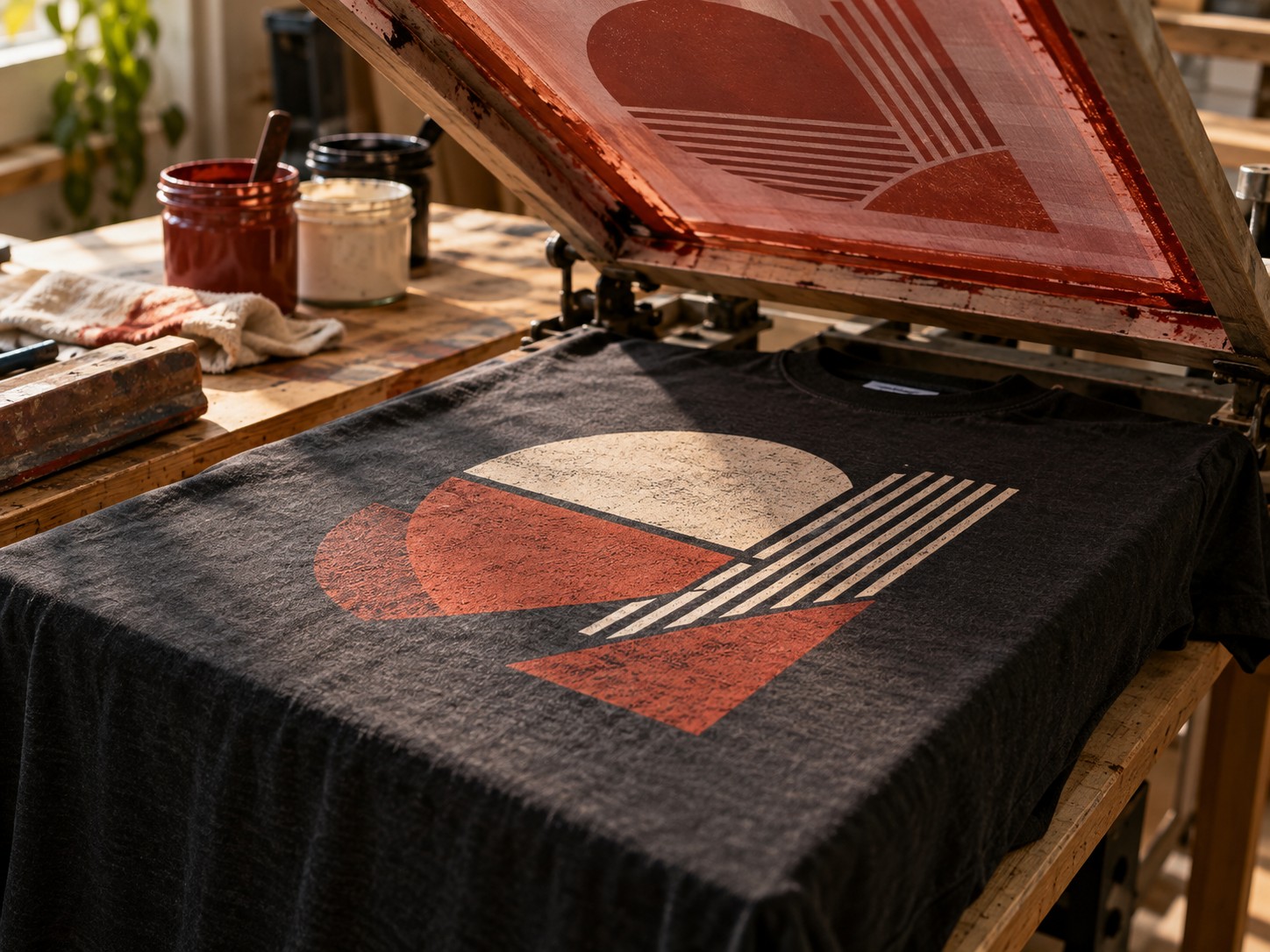
But color matching is not always straightforward. The same ink can look different on a white shirt versus a heather grey one, because the fabric color shows through the ink layer. Experienced printers learn to adjust for that by adding a flash cure or using an underbase. There is also the factor of how the ink cures. Plastisol ink needs to reach about 320 degrees Fahrenheit to fully cure. If you undercure, the print washes out. If you overcure, the ink can become brittle and crack. A good printer develops a feel for the conveyor dryer temperature and belt speed. It is part science, part intuition.
Common Misconceptions About Screen Printing
I often hear people say screen printing is outdated or only good for simple designs. That is not true. Modern techniques like simulated process printing allow screen printers to reproduce photographic images using four or more colors with halftone dots. The results can rival digital prints in detail, but with the durability of plastisol ink. Another misconception is that screen printing is bad for small runs. While it is true that setup costs make single-digit quantities expensive per piece, many shops now offer low minimums for simple one-color prints. I routinely do runs of twelve or twenty-four shirts for local bands and small businesses. The per-shirt price is higher than a run of a hundred, but still competitive with other methods.
Environmental concerns also come up. Some people worry about plastisol ink being petroleum-based. Many shops, including mine, now use phthalate-free and PVC-free plastisols, or switch to water-based inks for certain jobs. Water-based ink soaks into the fabric instead of sitting on top, giving a softer hand feel and a vintage look. It requires different techniques and a lot more attention to drying, but it is a viable option for eco-conscious clients. The key is knowing when to use which ink. For a heavy-duty work shirt that will be washed weekly, plastisol is still the better choice. For a soft, worn-in look on a retail garment, water-based works beautifully.
Practical Advice for Ordering Custom Apparel
If you are thinking about ordering custom printed shirts, here are a few tips I have gathered from years of working with clients:
Connect with us on Instagram.
- Start with a clean, high-resolution vector file for your logo. Raster images with low resolution will look fuzzy when printed. A good designer can convert your logo to vector format if needed.
- Limit the number of colors in your design. Each color adds cost and setup time. A two- or three-color logo is often just as effective as a five-color one, and it keeps your budget in check.
- Choose the right garment. A cheap t-shirt might save money upfront, but it can shrink, fade, or lose shape after a few washes. I recommend mid-weight ringspun cotton for a good balance of comfort and durability.
- Ask about ink options. If you want a soft feel, request water-based ink. If you need a bright white on a dark shirt, plastisol is your best bet. And if you want something that glows under black light, there are specialty inks for that too.
- Plan ahead. Good screen printing shops are often booked two to three weeks out. Rushing a job can lead to mistakes or higher costs. Give yourself time for proofs, approvals, and production.
Following these tips will help you avoid common pitfalls and get a product that looks professional and lasts.
When Screen Printing Might Not Be the Best Fit
I try to be honest with customers when screen printing is not the right choice. If you need just five shirts with a full-color photo, digital printing or even a high-quality heat transfer will serve you better. For garments made of performance fabrics like polyester blends used in sports uniforms, screen printing can be tricky because the ink does not bond as well. In those cases, sublimation printing might be a better option, though it only works on white or light-colored polyester. Knowing the limits of the process is part of being a good printer. I would rather recommend a different method than deliver a subpar product.
That said, for the vast majority of custom apparel orders - team uniforms, company shirts, event merchandise, band tees, and promotional giveaways - screen printing remains the gold standard. It offers the best balance of cost, durability, and quality for runs of twenty-five pieces or more. I have seen prints from a decade ago that still look fresh, while digital prints from the same period have faded into pastels.
Final Thoughts on a Timeless Trade
Screen printing is a craft that blends art and engineering. Every job teaches you something new about ink behavior, fabric quirks, or color theory. I have been doing this long enough to know that the machine does not make the print, the printer does. Good training, attention to detail, and a willingness to learn from mistakes separate a mediocre print from a great one.
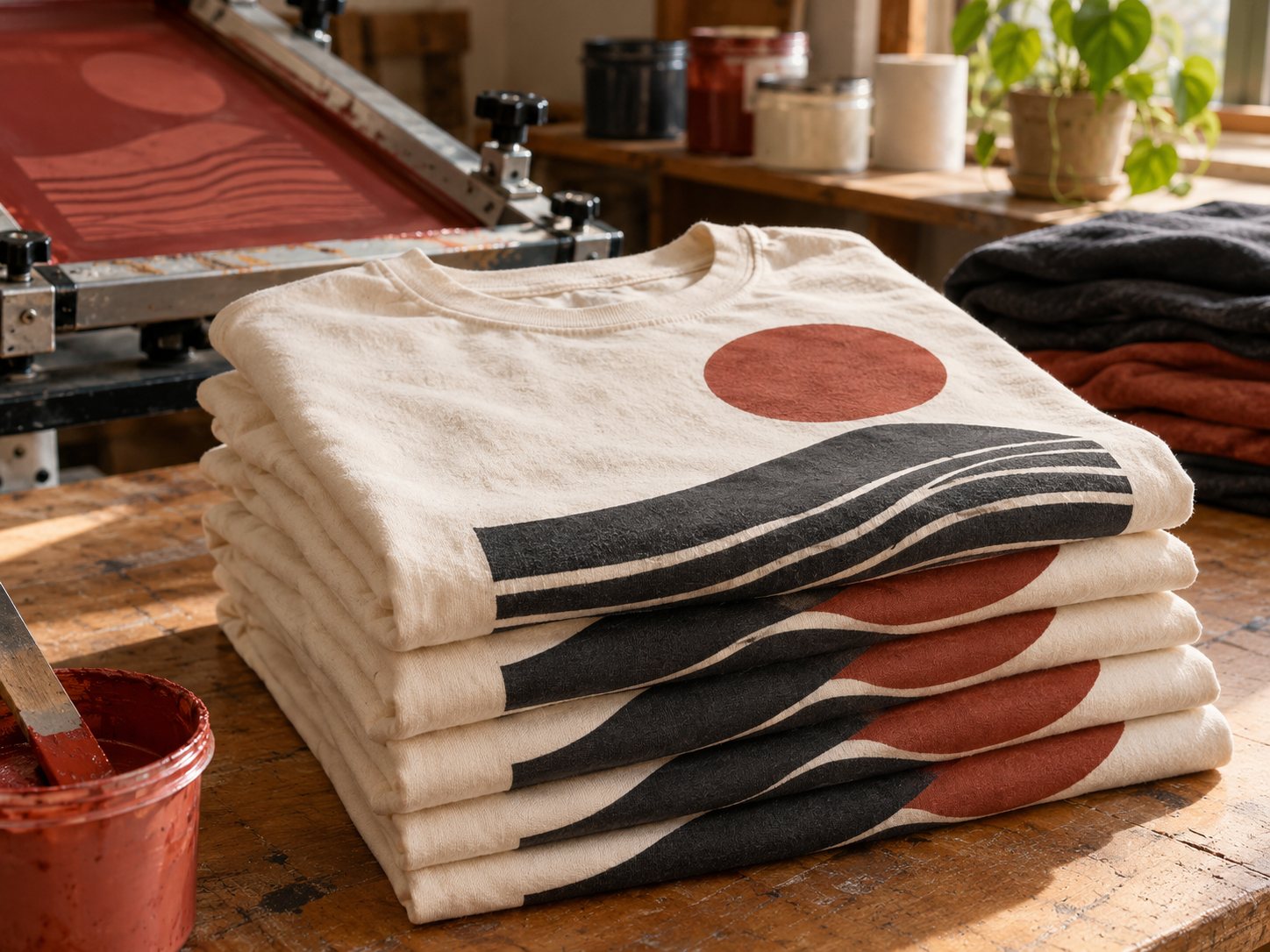
For businesses and organizations in the Garden Grove area looking for reliable custom apparel, DSP Printing offers custom screen printing and embroidered apparel services, located at 11611 Salinaz Dr Ste O, Garden Grove, CA 92843, USA, and can be reached at +1 714-951-4919.